
Fire safety is a fundamental requirement for all types of buildings, from residential properties to large commercial and industrial facilities. One of the most effective ways to control the spread of fire and smoke is through proper fire stopping installation. As a core element of passive fire protection, fire stopping installation plays a vital role in safeguarding lives, protecting property, and ensuring compliance with fire safety regulations.
This comprehensive guide explains what fire stopping installation involves, why it is essential, how it supports regulatory compliance, and why professional installation is critical for long term building safety.
Understanding Fire Stopping Installation
What Fire Stopping Installation Means
Fire stopping installation refers to the process of sealing openings and joints in fire resisting walls, floors, and ceilings. These openings are created when building services such as electrical cables, pipes, ductwork, and data systems pass through fire compartments.
The purpose of fire stopping installation is to reinstate the fire resistance of the compartment. When installed correctly, fire stopping systems prevent fire, smoke, and toxic gases from spreading rapidly through a building.
Fire Stopping as Part of Passive Fire Protection
Passive fire protection is designed to work without human intervention. Unlike active systems such as alarms or sprinklers, fire stopping installation remains in place at all times, ready to perform during a fire.
By maintaining compartmentation, fire stopping installation limits the spread of fire and helps contain it within its area of origin.
Why Fire Stopping Installation Is Essential
Protecting Life Safety
The primary objective of fire stopping installation is to protect occupants. Fire and smoke spread quickly through unsealed gaps, often making escape routes unsafe within minutes.
Proper fire stopping installation helps preserve escape routes, allowing occupants more time to evacuate safely and reducing the risk of injury or loss of life.
Limiting Property Damage
Containing fire within a single compartment reduces damage to the structure and its contents. This limits repair costs and shortens recovery time after a fire.
Fire stopping installation therefore plays an important role in business continuity and asset protection.
Supporting Legal Compliance
Fire safety legislation and building regulations require buildings to maintain effective compartmentation. Fire stopping installation is a key measure used to achieve compliance with these requirements.
Failure to install fire stopping correctly can result in enforcement action, penalties, and costly remedial work.
Where Fire Stopping Installation Is Required
Service Penetrations
Service penetrations are one of the most common locations requiring fire stopping installation. These occur where pipes, cables, conduits, or ducts pass through fire resisting elements.
Each penetration must be sealed using a suitable fire stopping system that matches the type of service and the surrounding construction.
Linear Joints
Linear joints are gaps between building elements such as walls and floors or between different sections of construction. These joints can compromise compartmentation if left unsealed.
Fire stopping installation for linear joints ensures that movement is accommodated while maintaining fire resistance.
Cavities and Voids
Hidden cavities within walls, ceilings, and floors can allow fire to spread unseen. Fire stopping installation includes the use of cavity barriers to subdivide these spaces and restrict fire movement.
Common Fire Stopping Installation Systems
Fire Stopping Sealants
Fire stopping sealants are used to fill small gaps around services or construction joints. When exposed to heat, many sealants expand to close openings and prevent fire spread.
Correct application is essential to achieve the required fire resistance rating.
Fire Collars and Wraps
Fire collars and wraps are commonly used around plastic pipes. These materials expand under heat, crushing or sealing the pipe as it melts away during a fire.
Fire stopping installation using collars and wraps is critical for maintaining compartment integrity where combustible services are present.
Fire Batt and Board Systems
Fire batts and boards are used to seal larger openings or complex service penetrations. They provide a solid barrier with high fire resistance performance.
Professional fire stopping installation ensures that these systems are cut, fitted, and sealed correctly.
Fire Rated Mortars
Fire rated mortars are suitable for sealing large or irregular openings. Once cured, they form a robust barrier that restores the fire resistance of walls and floors.
Proper mixing and application are important to achieve consistent performance.
The Importance of Professional Fire Stopping Installation
Technical Expertise and Knowledge
Fire stopping installation is a specialist discipline that requires detailed technical knowledge. Each system has specific installation requirements based on test evidence.
Professional installers understand how different materials behave in fire conditions and select appropriate solutions for each application.
Compliance With Tested Systems
Fire stopping products are tested as part of specific systems. Deviating from these tested configurations can invalidate their performance.
Professional fire stopping installation follows manufacturer guidance and test reports to ensure compliance.
Quality Assurance and Documentation
Accurate documentation is a key part of fire stopping installation. Records typically include product details, locations, and photographs of completed work.
This documentation supports building control approval, fire risk assessments, and future inspections.
Fire Stopping Installation in New Construction Projects
Early Planning and Coordination
In new build projects, fire stopping installation should be planned from the outset. Early coordination with designers and other trades helps ensure that penetrations are positioned correctly and sealed effectively.
This approach reduces delays and minimizes the risk of rework.
Integration With Building Services
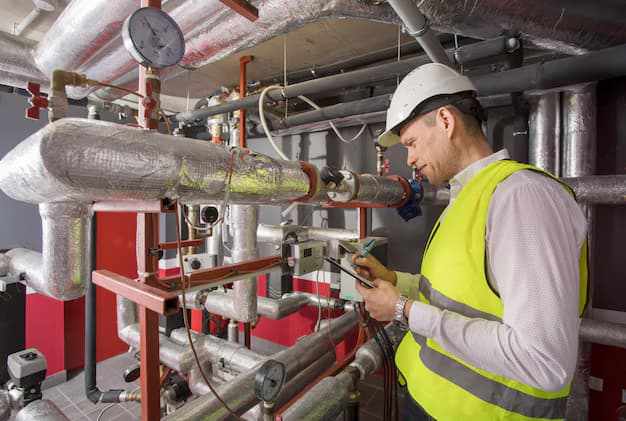
Fire stopping installation is closely linked to mechanical, electrical, and plumbing services. Installers must work carefully around these services to ensure that seals remain intact.
Effective communication between trades supports high quality outcomes.
Fire Stopping Installation in Existing Buildings
Addressing Legacy Issues
Older buildings often contain inadequate or deteriorated fire stopping. Changes over time such as new services or refurbishments can compromise compartmentation.
Fire stopping installation in existing buildings often involves surveys to identify defects and targeted remedial work.
Supporting Refurbishment Projects
During refurbishment, walls and floors are frequently opened to accommodate new layouts or services. Fire stopping installation is essential to reinstate fire resistance once work is complete.
This ensures that safety standards are maintained throughout the building lifecycle.
Inspection and Maintenance of Fire Stopping Installation
Importance of Regular Inspections
Fire stopping installation should not be considered a one time task. Over time, building movement, damage, or further service installations can affect performance.
Regular inspections help identify issues early and maintain effective fire protection.
Ongoing Maintenance Responsibilities
Building owners and managers have a responsibility to ensure that fire stopping installation remains effective. Prompt repairs and updates are essential following any building work.
This proactive approach supports long term compliance and safety.
Fire Stopping Installation and Risk Management
Reducing Fire Spread Risk
Effective fire stopping installation significantly reduces the risk of uncontrolled fire spread. By maintaining compartmentation, it limits fire development and severity.
This risk reduction benefits occupants, emergency responders, and property owners.
Enhancing Insurance and Liability Protection
Buildings with well documented fire stopping installation are often viewed more favorably by insurers. Clear evidence of compliance can reduce disputes following a fire incident.
It also helps demonstrate due diligence in meeting legal obligations.
Fire Stopping Installation as Part of a Holistic Fire Safety Strategy
Supporting Fire Risk Assessments
Fire stopping installation is a key consideration during fire risk assessments. Accurate records and visible compliance support informed decision making.
This integration ensures that passive fire protection measures align with overall fire safety strategies.
Promoting a Culture of Safety
Consistent attention to fire stopping installation promotes a wider culture of safety within organizations. It highlights the importance of detail and compliance in protecting people and property.
Conclusion
Fire stopping installation is a critical component of passive fire protection, designed to contain fire, protect occupants, and support regulatory compliance. Through careful planning, professional installation, and ongoing maintenance, fire stopping installation helps ensure that buildings perform as intended in the event of a fire. Its role in safeguarding life, limiting damage, and reducing risk cannot be overstated.
For projects that require a high standard of expertise and reliability in fire stopping installation, the professional approach and commitment to safety demonstrated by TBL Fire Protection reflect the level of quality and compliance essential for effective passive fire protection.



Write a comment ...