
When it comes to protecting lives and property, fire safety is one area that demands professional attention. While some homeowners and business owners may feel confident tackling simple maintenance tasks on their own, fire protection is far too critical to leave to trial and error. In cities like Birmingham, where safety standards and building regulations are stringent, hiring a certified passive fire protection installer Birmingham is not just a wise decision but a legal and ethical necessity.
This article explores why do-it-yourself (DIY) fire protection is risky, what passive fire protection entails, and why professional installers provide unmatched safety, compliance, and peace of mind.
Understanding Passive Fire Protection
Fire protection systems are divided into two main categories: active and passive. Active systems include sprinklers, alarms, and extinguishers that engage when a fire occurs. Passive fire protection, on the other hand, is the silent guardian that works continuously in the background.
What Passive Fire Protection Does
Passive fire protection involves structural measures designed to contain fire, slow its spread, and maintain building stability. Examples include fire-resistant walls, floors, doors, and coatings applied to steel or timber. These systems ensure that, in the event of a fire, people have more time to evacuate safely while emergency services can respond effectively.
The Importance of Containment
Containment is at the core of passive fire protection. Proper compartmentation prevents fire and smoke from spreading to other parts of a building. This is crucial in multi-occupancy properties, offices, hospitals, and schools where safe evacuation routes must remain intact during an emergency.
The Hidden Risks of DIY Fire Protection
While the DIY approach may seem cost-effective, it poses numerous dangers when it comes to fire safety. Passive fire protection requires technical precision, specialist materials, and a deep understanding of building regulations.
Lack of Technical Knowledge
Fire protection systems are complex. Each building requires a tailored approach based on materials, layout, and intended use. Without professional training, it is easy to misinterpret manufacturer instructions or overlook critical details such as fire-stopping gaps, expansion joints, or material compatibility. One small error could compromise an entire fire compartment, rendering the system ineffective.
Non-Compliance with Regulations
Fire safety regulations in Birmingham, as across the UK, are governed by strict building codes and legislation such as the Regulatory Reform (Fire Safety) Order. A DIY installation rarely meets these requirements, which could lead to serious legal and financial consequences. Inadequate installation might result in fines, failed inspections, or insurance invalidation.
Substandard Materials and Installation Techniques
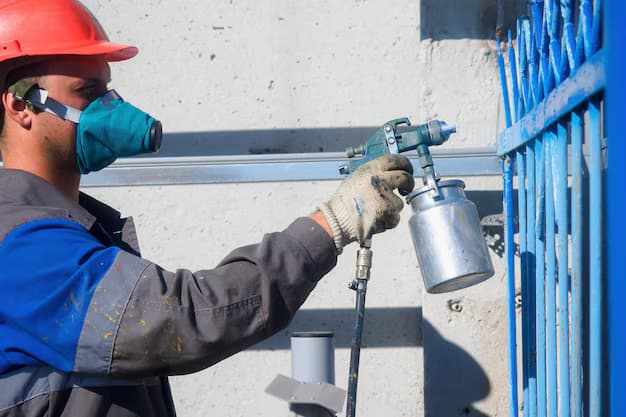
Professional installers have access to high-quality, certified materials that have been rigorously tested for fire resistance. In contrast, DIY enthusiasts often rely on general-purpose sealants, paints, or insulation that are not rated for fire protection. Even if the materials appear similar, their performance in a real fire could be dramatically different.
Compromised Structural Integrity
Passive fire protection does more than prevent flames from spreading. It preserves the structural integrity of the building, giving occupants more time to escape and firefighters more time to respond. Incorrect installation or poor material choice can accelerate the collapse of walls or floors, putting lives at risk.
Why Hiring a Professional Installer in Birmingham Matters
When it comes to fire safety, professional expertise cannot be replaced. A qualified passive fire protection installer Birmingham brings years of experience, training, and certification that ensure every aspect of your building’s fire safety system performs as intended.
Expert Assessment and Design
Professional installers begin with a comprehensive assessment of the property. They identify potential weak points, evaluate the type of materials used in construction, and determine the appropriate passive fire protection solutions. Each system is custom-designed to meet both safety standards and the building’s functional needs.
Certified Materials and Proven Methods
Professional installers use approved materials that meet British and European standards. These materials are tested in real fire scenarios to guarantee performance. Proper installation techniques, such as the use of intumescent coatings, fire-stopping barriers, and compartmentalization systems, ensure that protection is consistent and reliable.
Adherence to Building Codes and Legal Compliance
Fire safety regulations are complex and frequently updated. Certified installers stay informed about the latest legal requirements, ensuring all work complies with national and local standards. This protects building owners from fines, legal liabilities, and failed inspections.
Documentation and Certification
After installation, professional fire protection contractors provide full documentation, including inspection reports, test certificates, and maintenance recommendations. This paperwork is crucial for insurance purposes, safety audits, and building control approvals. DIY installations, on the other hand, rarely have such documentation, making it difficult to prove compliance.
Long-Term Benefits of Professional Fire Protection
Beyond immediate safety, professionally installed passive fire protection offers lasting benefits for property owners and occupants alike.
Enhanced Safety and Peace of Mind
Knowing that your property meets the highest fire safety standards offers invaluable peace of mind. Occupants, employees, and visitors can feel secure knowing that systems are designed and installed by certified professionals.
Reduced Long-Term Costs
Although hiring professionals may seem more expensive upfront, it saves money in the long run. Properly installed systems require fewer repairs, pass inspections without costly rework, and maintain their effectiveness for many years. DIY mistakes often lead to expensive corrections and potential liability costs.
Improved Property Value and Reputation
For businesses, compliance with fire safety regulations enhances reputation and trust. Buildings equipped with professionally installed passive fire protection systems often have higher property values and appeal to tenants and investors who prioritize safety.
Simplified Maintenance and Inspection
Certified installers not only complete the initial work but can also offer ongoing maintenance services. Routine inspections ensure that materials remain intact, seals are secure, and any changes in the building’s structure do not compromise fire resistance.
Common Misconceptions About DIY Fire Protection
“It Looks Simple Enough to Do”
Many people underestimate the complexity of passive fire protection. Applying a fire-resistant coating or sealant may appear straightforward, but every material and joint has unique requirements that only trained professionals understand.
“It’s Too Expensive to Hire an Installer”
The cost of hiring a qualified passive fire protection installer Birmingham is minimal compared to the potential losses from fire damage or non-compliance. Professional work ensures the safety of lives, assets, and business continuity, which far outweighs the initial investment.
“I Can Learn Everything Online”
While online resources provide general guidance, they cannot substitute for hands-on training, certification, and experience. Every building is unique, and what works in one setting may fail in another. Fire protection is not an area where experimentation is acceptable.
The Smart Choice for Fire Safety
Choosing professional installation for passive fire protection is an investment in long-term safety and compliance. The risks of DIY methods—ranging from regulatory breaches to life-threatening system failures—are simply too great to ignore. A certified installer ensures every wall, seal, and structural component is designed to perform when it matters most.
In Birmingham, where adherence to strict safety standards is mandatory, property owners should always rely on qualified experts for installation and maintenance. With professional guidance, every building can achieve the highest level of fire resistance, ensuring protection for people and property alike.
Fire safety is not an area for shortcuts or guesswork. Professional expertise ensures that all installations meet rigorous standards, safeguarding lives and properties effectively. Whether for commercial, industrial, or residential properties, hiring a certified passive fire protection installer Birmingham guarantees lasting protection, compliance, and confidence.
For those seeking trusted, experienced professionals in the field, Tblfireprotection offers the assurance of quality craftsmanship and complete fire safety compliance.


Write a comment ...