
Fire safety is an essential aspect of building design and management, particularly in urban environments where the risk of fire can lead to catastrophic consequences. One of the most effective strategies for mitigating fire risks is through fire compartmentation. This process involves creating physical barriers within a building to prevent the spread of smoke and flames, safeguarding both occupants and property. However, the effectiveness of fire compartmentation relies heavily on regular assessments, known as fire compartmentation surveys. These surveys play a crucial role in maintaining and enhancing building fire safety.
Understanding Fire Compartmentation
Fire compartmentation is the method of dividing a building into distinct sections or compartments. Each compartment is designed to contain a fire within its boundaries for a specified period, allowing occupants to evacuate safely and providing firefighters with time to control the blaze. This is achieved through the strategic placement of fire-resistant walls, floors, and doors. The importance of effective compartmentation cannot be overstated; it serves as the first line of defense against the unpredictable nature of fire.
When a fire ignites, the rapid spread of smoke and heat can overwhelm occupants and hinder evacuation efforts. By compartmentalizing a structure, the objective is to slow down the fire's progress, thus reducing the likelihood of widespread damage and loss of life. However, over time, construction alterations, wear and tear, and non-compliance with fire safety regulations can compromise these fire barriers. This is where fire compartmentation survey become indispensable.
The Role of Fire Compartmentation Surveys
A fire compartmentation survey is a detailed examination of a building's fire safety measures, specifically focusing on the integrity of fire compartments. These surveys are conducted by trained professionals who assess the effectiveness of existing fire barriers and identify any breaches or weaknesses. Regular surveys are crucial for several reasons.
Firstly, they ensure compliance with fire safety regulations and standards. Many regions have specific laws governing fire safety in buildings, and failure to comply can result in penalties, legal liabilities, and, most importantly, increased risk to life and property. By conducting routine surveys, building managers can ensure that their premises adhere to the latest fire safety legislation, thereby protecting themselves and their occupants.
Secondly, fire compartmentation surveys serve as a proactive measure against potential fire hazards. Through careful inspection, surveyors can detect issues such as gaps in fire-resistant walls, ineffective doors, or damaged fire-stopping materials. Addressing these problems before a fire occurs can significantly enhance the overall fire safety of a building.
Enhancing Building Safety Through Regular Assessments
The significance of regular fire compartmentation surveys extends beyond mere compliance with regulations. These assessments are critical in fostering a culture of safety within a building. By prioritizing fire safety, building management demonstrates a commitment to protecting the well-being of occupants, employees, and visitors. This commitment not only enhances safety but can also improve overall morale and confidence in the management of the facility.
Moreover, the findings from a fire compartmentation survey can guide improvement strategies. For instance, if a survey uncovers multiple breaches in fire compartments, the management team can prioritize upgrades or repairs. This could involve reinforcing fire doors, sealing gaps, or even redesigning certain areas of the building to enhance fire resistance. Taking these corrective actions not only minimizes risks but can also lead to cost savings in the long term, as effective fire safety measures can reduce the likelihood of costly fire damage and disruption.
The Survey Process: What to Expect
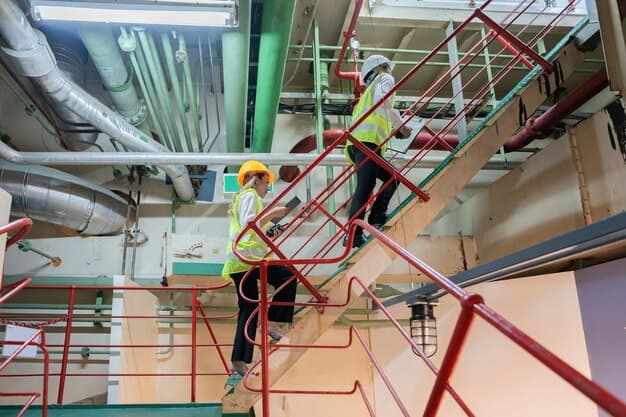
Understanding the process of a fire compartmentation survey can demystify the experience for building managers. Typically, the survey begins with a comprehensive visual inspection of the building's compartments. Surveyors will assess the integrity of walls, floors, and ceilings, checking for any signs of damage or wear. They will also evaluate fire doors to ensure they meet safety standards and function correctly.
In addition to visual inspections, surveyors may employ specialized equipment to detect hidden breaches. For example, thermal imaging cameras can reveal areas where heat is escaping, indicating potential weaknesses in fire barriers. After completing the inspection, the surveyor compiles a detailed report outlining their findings, including any areas of concern and recommendations for remediation.
Addressing Common Issues Found in Surveys
Many common issues can be identified during a fire compartmentation survey, and knowing how to address these problems is crucial for building safety. One frequent issue is the improper installation of fire doors. These doors must be fitted correctly to ensure they close fully and create an effective barrier against fire and smoke. If a door is misaligned or damaged, it can significantly undermine the compartmentation strategy.
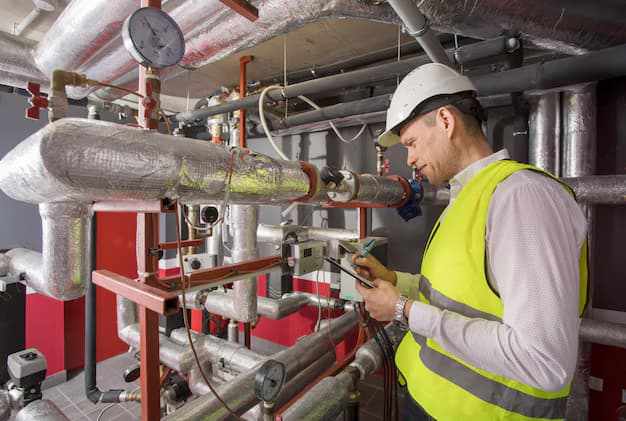
Other common findings include gaps around pipes and cables that penetrate fire-rated walls. These openings can allow smoke and flames to travel between compartments, negating the effectiveness of fire barriers. Fire-stopping materials should be used to seal these gaps, ensuring that compartments remain intact during a fire event.
Additionally, surveyors may find that some fire-resistant materials have degraded over time. Regular maintenance and replacement of these materials are essential to maintain the building's fire safety integrity. By addressing these issues promptly, building managers can ensure that their fire compartmentation measures remain effective.
The Importance of Documentation and Follow-Up
An essential aspect of fire compartmentation surveys is documentation. The reports generated from these surveys serve as crucial records that can be referenced in future inspections or audits. Proper documentation provides a clear history of the building's fire safety measures and any actions taken to remediate issues. This not only aids in compliance with regulations but also serves as a valuable resource for building management.
Following up on the recommendations from a survey is equally important. Once issues are identified, it is vital to act swiftly to implement corrective measures. This proactive approach not only enhances safety but also demonstrates a commitment to maintaining high standards of fire safety within the building.
Conclusion: Prioritizing Fire Safety for Peace of Mind
In conclusion, the role of fire compartmentation surveys in enhancing building fire safety cannot be overlooked. These assessments are vital for identifying weaknesses in fire barriers, ensuring compliance with regulations, and fostering a culture of safety within a building. By prioritizing regular surveys and addressing any identified issues promptly, building managers can significantly reduce the risk of fire and enhance the safety of all occupants.
For those looking to ensure the highest level of fire safety in their buildings, partnering with a professional team is essential. TBL Fire Protection specializes in comprehensive fire compartmentation surveys and can help you maintain the integrity of your fire safety measures. Take the proactive step today—contact TBL Fire Protection and secure your building’s safety for tomorrow.



Write a comment ...