
In modern building construction and renovation, fire safety is a top priority. One of the most effective methods for ensuring fire resistance is the use of intumescent coatings. These specialized paints are applied to structural materials, such as steel, wood, and concrete, to protect them in the event of a fire. However, the application of these coatings is not a one-time task. Regular inspections are essential to ensure that the intumescent paint continues to perform its critical function. In this article, we explore how intumescent paint inspection contributes to building fire safety, especially in cities like Birmingham, where fire protection standards are stringent.
What Are Intumescent Coatings?
Intumescent coatings are fire-resistant paints that expand when exposed to high temperatures. This expansion forms an insulating char layer that helps to protect the underlying material from fire damage. These coatings are commonly applied to structural elements of buildings, such as steel beams, columns, and other exposed surfaces, to prevent them from weakening or collapsing during a fire.
How Intumescent Coatings Work
intumescent coatings birmingham are designed to react to heat. When exposed to a fire, the coating undergoes a chemical reaction that causes it to swell and form a thick, insulating layer. This layer acts as a thermal barrier, slowing the rate at which the underlying material is heated. In steel, for example, this allows the metal to retain its strength and stability longer, preventing it from buckling or failing under the pressure of the fire. The thicker the char layer, the longer the material will resist the fire’s damaging effects.
Why Intumescent Paint Inspection Is Important
The application of intumescent coatings is just the beginning of a building’s fire protection strategy. For these coatings to remain effective, they must be properly maintained and regularly inspected. Over time, coatings can be subjected to wear and tear, environmental factors, and even physical damage, which can compromise their effectiveness. Routine inspections help to ensure that the coatings continue to provide the necessary fire protection and meet required safety standards.
Ensuring Longevity and Effectiveness
One of the primary reasons for inspecting intumescent coatings is to ensure that they continue to perform as intended. Over time, the protective layer may degrade due to exposure to weather, physical impact, or chemical exposure. An inspection helps identify areas where the coating has thinned or become damaged, ensuring that corrective actions are taken before a fire hazard occurs.
Complying with Fire Safety Regulations
In Birmingham, as in many other cities, buildings must meet strict fire safety codes and regulations. Intumescent coatings are often required to achieve a certain level of fire resistance. Routine inspections help building owners and managers ensure that their properties remain in compliance with these regulations. This can be crucial during safety audits, insurance assessments, or when preparing for potential inspections by local fire authorities.
Key Aspects of Intumescent Paint Inspection
Intumescent paint inspection involves a thorough review of both the application and condition of the coating. There are several key aspects of the inspection process that help ensure that the paint is functioning effectively as a fire-resistant material.
Thickness of the Coating
The thickness of the intumescent coating is one of the most important factors affecting its performance. If the coating is too thin, it may not provide the necessary protection in the event of a fire. During an inspection, the coating’s thickness is measured to ensure it meets the required specifications. Insufficient coating thickness can be addressed by applying additional layers of intumescent paint.
Uniformity of Application
For intumescent coatings to work effectively, they must be applied evenly across all exposed surfaces. An inspection checks for any areas where the coating may have been applied unevenly or missed entirely. If there are any inconsistencies in the application, it is necessary to touch up or reapply the coating to ensure full coverage and optimal protection.
Adhesion to the Substrate
The adhesion of the intumescent coating to the underlying material is another critical factor in its effectiveness. If the coating has begun to peel, crack, or flake off, its protective qualities are compromised. Inspections focus on the adhesion of the coating to ensure that it remains securely attached to the surface. If necessary, repairs or a complete reapplication of the coating may be required.
Environmental Conditions and Wear and Tear
Intumescent coatings can be impacted by a variety of environmental conditions, such as moisture, temperature fluctuations, and exposure to chemicals. These factors can cause the coating to degrade over time, reducing its ability to perform during a fire. An inspection takes into account these environmental factors and identifies any signs of wear and tear, allowing for timely repairs or reapplications.
Presence of Physical Damage
In buildings that experience heavy foot traffic or are subject to physical stress, the intumescent coating may be damaged by impact or abrasion. This damage can expose the underlying material to fire, defeating the purpose of the coating. During inspections, the contractor looks for any signs of physical damage to the coating, including scratches, dents, or cracks, and recommends repairs where necessary.
The Inspection Process: What to Expect
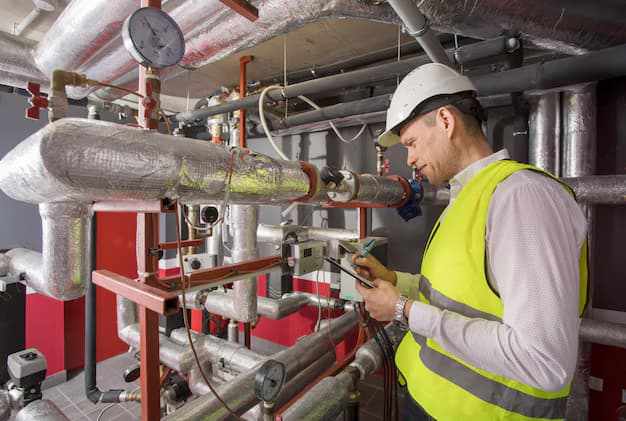
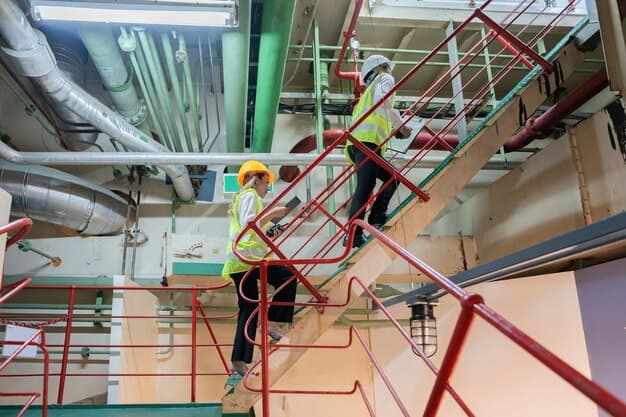
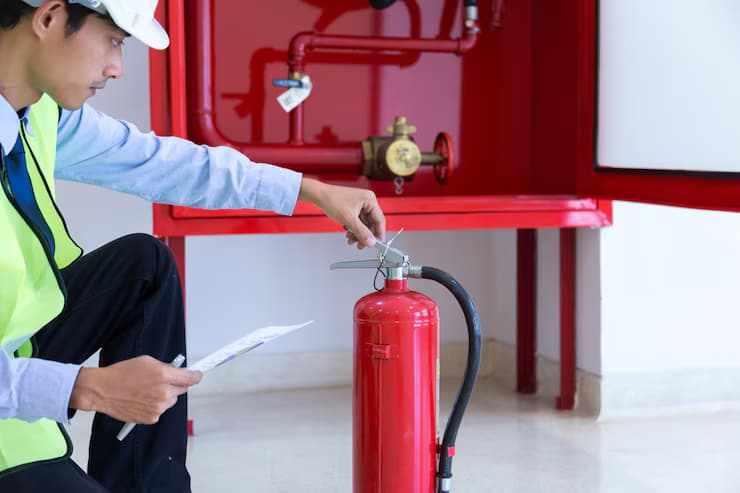
The inspection of intumescent coatings is typically performed by a qualified professional, such as an intumescent coating contractor or fire protection specialist. Here’s what you can expect during the inspection process:
Initial Assessment
The first step in the inspection process is an initial assessment, which involves a visual inspection of the coated areas. The inspector will look for any obvious signs of damage, wear, or areas that may require attention. This is also the stage where the inspector will assess the overall condition of the coating, checking for any visible thinning or areas where the coating may have been compromised.
Measuring Thickness
To ensure that the coating meets the required fire resistance standards, the inspector will measure the thickness of the intumescent coating in several areas. This is typically done using a thickness gauge, which allows the inspector to measure the coating’s depth and compare it against the manufacturer’s guidelines or local building codes. If the thickness is insufficient, the inspector will recommend adding more layers to restore the proper fire protection level.
Adhesion and Bonding Test
The adhesion of the coating to the substrate is critical to its effectiveness. The inspector may perform an adhesion test, which involves applying a special tool to the surface to check how well the coating adheres. If the coating fails the adhesion test, the inspector may recommend surface preparation and reapplication to ensure the coating bonds properly to the material.
Inspecting for Environmental Damage
Next, the inspector will examine the coated surfaces for any signs of environmental damage, such as cracking or degradation due to weather exposure or moisture. Areas subject to harsh conditions may need to be addressed more frequently, and the inspector will make recommendations for additional protective measures if necessary.
Reporting and Recommendations
Once the inspection is complete, the inspector will provide a detailed report outlining the findings, including any areas of concern, damage, or areas requiring maintenance. The report will also include recommendations for any necessary repairs, reapplications, or maintenance procedures to ensure that the intumescent coatings remain effective. Building owners and managers can use this report to plan for corrective actions and stay compliant with fire safety regulations.
The Benefits of Regular Intumescent Paint Inspections
Regular inspections of intumescent coatings offer several key benefits that directly impact building safety and compliance.
Increased Fire Safety
By ensuring that the intumescent coatings are applied properly and remain in good condition, inspections help maintain the fire resistance of the building. This ensures that the building remains structurally sound during a fire, giving occupants more time to evacuate and reducing the risk of injury or loss of life.
Regulatory Compliance
Routine inspections help ensure that a building remains compliant with local fire safety codes and regulations. This reduces the risk of fines, legal issues, or insurance complications that can arise from non-compliance.
Cost Savings
While inspections may require an upfront investment, they ultimately help save money by identifying issues before they become major problems. Early detection of coating damage allows for timely repairs, which can prevent costly fire damage and reduce the need for expensive structural repairs.
Enhanced Property Value
Buildings that are regularly inspected and maintained for fire safety, including the integrity of intumescent coatings, are viewed as more secure and reliable. This can enhance the property’s value, especially for commercial buildings where fire safety is a critical concern for tenants and buyers.
Conclusion
Intumescent paint inspection is a vital part of maintaining building fire safety. These inspections ensure that intumescent coatings continue to perform their life-saving role in protecting a building’s structure and its occupants from fire. By regularly assessing coating thickness, adhesion, and overall condition, property owners can ensure compliance with fire safety regulations and keep their buildings safe from the devastating effects of fire.
TBL Fire Protection offers expert services in intumescent coatings and fire protection, providing comprehensive inspection and maintenance services to keep your building fire-safe and compliant with regulations.


Write a comment ...