
Fire safety is a fundamental requirement in buildings that rely on structural steel for strength and stability. Steel performs exceptionally well under normal conditions, but when exposed to high temperatures during a fire, it can lose its load bearing capacity very quickly. Intumescent paint is widely used as a passive fire protection solution to address this risk. However, the effectiveness of intumescent paint depends heavily on how it is installed. This is why professional intumescent paint installers are so important. Their expertise ensures that fire protection systems perform as intended, support regulatory compliance, and protect both lives and property.
Understanding the Purpose of Intumescent Paint
Intumescent paint is a specialist coating designed to protect steel structures during a fire by delaying the transfer of heat to the steel.
How Intumescent Paint Works
Under normal conditions, intumescent paint looks similar to standard decorative coatings. When exposed to fire, the paint reacts to rising temperatures by expanding and forming a thick insulating char. This char layer reduces the rate at which heat reaches the steel, allowing the structure to maintain its strength for a defined period. Professional intumescent paint installers understand how critical correct application is to achieving this protective reaction.
Role in Passive Fire Protection
Intumescent paint is part of passive fire protection systems, which are always active and do not rely on manual operation. These systems work continuously to slow fire spread and maintain structural stability. Intumescent paint installers play a key role in ensuring that this protection is reliable and long lasting.
Why Correct Installation Is Critical
Even the highest quality intumescent paint can fail if it is not installed correctly. Installation quality directly affects fire performance.
Importance of Correct Thickness
Each steel section requires a specific paint thickness to achieve the required fire resistance rating. Applying too little paint can result in insufficient protection, while excessive thickness can lead to cracking or poor adhesion. Professional intumescent paint installers are trained to calculate and apply the correct thickness for each structural element.
Ensuring Consistent Coverage
Gaps, thin areas, or uneven coverage can allow heat to reach the steel more quickly during a fire. Professional intumescent paint installers ensure that all exposed steel surfaces are fully and evenly coated, maintaining consistent protection throughout the structure.
Expertise of Professional Intumescent Paint Installers
Installing intumescent paint is a specialist task that requires technical knowledge, experience, and precision.
Understanding Fire Resistance Requirements
Fire resistance requirements vary depending on building type, occupancy, and regulatory standards. Professional intumescent paint installers understand these requirements and know how to apply paint systems that meet specific fire ratings. This knowledge helps ensure compliance and reduces the risk of costly remedial work.
Knowledge of Different Paint Systems
There are many different intumescent paint systems available, each designed for specific conditions such as internal use, external exposure, or high humidity environments. Professional intumescent paint installers understand the differences between these systems and select appropriate solutions for each project.
Surface Preparation and Its Impact on Performance
Surface preparation is one of the most important steps in the installation process and has a direct impact on coating performance.
Cleaning and Preparing Steel Surfaces
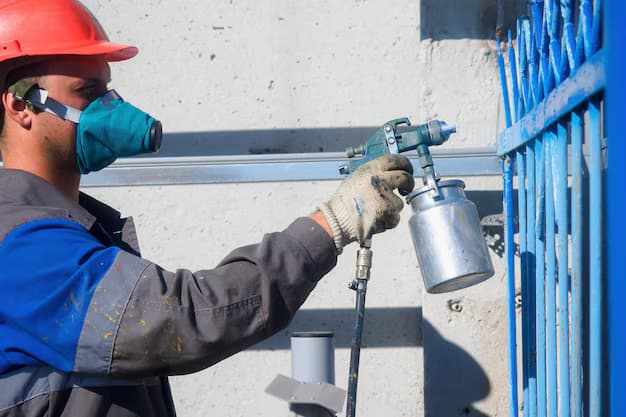
Steel surfaces must be clean, dry, and free from contaminants such as oil, grease, rust, or dust before intumescent paint is applied. Poor preparation can lead to adhesion failure and reduced fire protection. Professional intumescent paint installers follow strict preparation procedures to ensure long term performance.
Compatibility With Primers and Finishes
In many cases, steel is coated with a primer to protect against corrosion. Intumescent paint must be compatible with this primer to perform correctly. Professional intumescent paint installers understand compatibility requirements and ensure that all layers work together as a tested system.
Quality Control During Installation
Professional installers follow structured quality control processes to ensure high standards throughout the project.
Monitoring Application Conditions
Environmental conditions such as temperature and humidity can affect paint application and curing. Professional intumescent paint installers monitor these conditions closely and adjust application methods as required to maintain quality.
Measuring and Verifying Paint Thickness
Accurate thickness measurement is essential to achieving the required fire resistance. Professional intumescent paint installers use calibrated tools to measure thickness during and after application, ensuring compliance with design specifications.
Compliance With Fire Safety Regulations
Fire safety regulations place clear responsibilities on building owners and contractors to maintain effective fire protection systems.
Meeting Building Regulation Standards
Structural elements are required to achieve specific fire resistance periods. Professional intumescent paint installers apply systems in line with tested and approved standards, helping buildings meet regulatory requirements and pass inspections.
Reducing Legal and Financial Risk
Incorrectly installed fire protection can result in enforcement action, fines, or increased insurance costs. In the event of a fire, inadequate installation may also lead to liability claims. Engaging professional intumescent paint installers helps reduce these risks and demonstrates a commitment to safety.
Role of Intumescent Paint Installers in New Construction
In new construction projects, intumescent paint installers play an important role in delivering safe and compliant buildings.
Integration With Construction Schedules
Professional installers coordinate with other trades to ensure intumescent paint is applied at the correct stage of construction. This coordination helps prevent damage to finished coatings and avoids delays.
Supporting Modern Building Design
Many modern buildings feature exposed steel for architectural appeal. Intumescent paint allows designers to maintain this aesthetic while still providing fire protection. Professional intumescent paint installers ensure that safety and design requirements are both met.
Importance in Existing Buildings and Refurbishments
Existing buildings often require additional attention to maintain or upgrade fire protection.
Upgrading Fire Protection Systems
When buildings are refurbished or change use, fire resistance requirements may increase. Professional intumescent paint installers assess existing steel structures and apply suitable systems to improve fire safety without major structural changes.
Maintenance and Repair Work
Over time, intumescent paint can be damaged by impact, moisture, or wear. Professional installers carry out repairs and reapplication to ensure ongoing protection and compliance.
Documentation and Long Term Fire Safety Management
Proper documentation is a key outcome of professional installation.
Providing Clear Installation Records
Professional intumescent paint installers provide detailed records of paint systems used, thickness measurements, and inspection results. These records support audits, fire risk assessments, and future maintenance planning.
Supporting Ongoing Inspections
Accurate documentation helps building managers plan regular inspections and maintain fire protection over the building lifecycle. Professional installation supports a structured and proactive approach to fire safety management.
Long Term Benefits of Using Professional Intumescent Paint Installers
The advantages of engaging professional installers extend far beyond initial application.
Enhanced Life Safety
Correctly installed intumescent paint helps maintain structural stability during a fire, supporting safe evacuation and reducing risk to occupants. This life safety benefit is the primary goal of passive fire protection.
Protection of Property and Investment
Fire damage can cause significant financial loss and long term disruption. Professional intumescent paint installers help limit structural damage and support faster recovery, protecting the value of the building.
Confidence and Peace of Mind
Knowing that fire protection systems have been installed correctly provides reassurance to owners, occupants, and stakeholders. Professional workmanship and quality control build confidence in long term building safety.
Conclusion
Professional intumescent paint installers are essential for ensuring that fire protection systems perform as intended. Their expertise in assessment, surface preparation, precise application, and quality control ensures compliance with fire safety regulations and protects structural integrity during a fire. From new construction to refurbishment and ongoing maintenance, professional installers play a critical role in safeguarding lives and property. For reliable expertise and high quality delivery of intumescent paint installation services, TBL Fire Protection remains committed to maintaining the highest standards of safety, quality, and compliance.



Write a comment ...